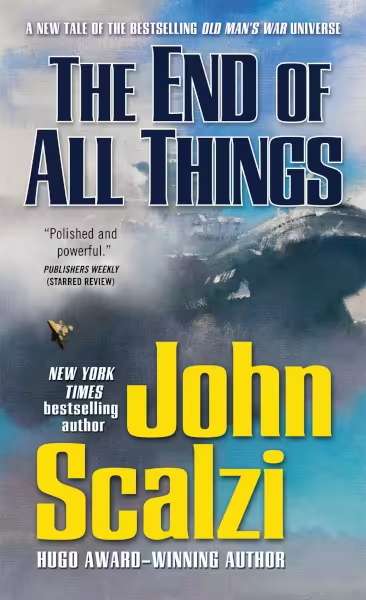
I ran through all these and by the time I was reading “The Human Division”, the new book was out. I had a signed copy sitting in my living room. So I was a little motivated to get to the end and dig in.
I was also experiencing something I’ve run into in the past when I go back and re-read something that was originally spread out over a long time frame. Everything hits harder when you are into it over a much more compact time frame. You ‘know’ everyone a little bit better and the world just feels a bit more concrete.
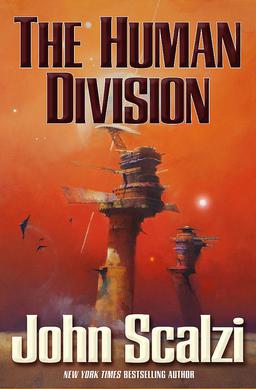
I can’t get Hungarian covers for all the books. It makes me sad I don’t live in Hugary any more, so don’t give me grief about it.
As mentioned previously, The Last Colony/Zoe’s Tale was the end of an arc. The Human Division is the start of the next. Now as Forrest Gump said, “I am not a amart man.”, I’m not. In writing up my thoughts about the read through, I find myself realizing things I’m sure everyone else got the first time around. And The Human Division, as the title of a military sci-fi book has always made me think about just one definition of Division. I completely missed the more obvious one.
I have to come clean - I read the rest of the series, and the new books without writing the rest of the posts. So now I’m going back and trying to remember. I feel bad. But not too bad. Life got busy and I needed to finish the series so I could get to my new book. Ok - so my conscience is clear. Here we go.
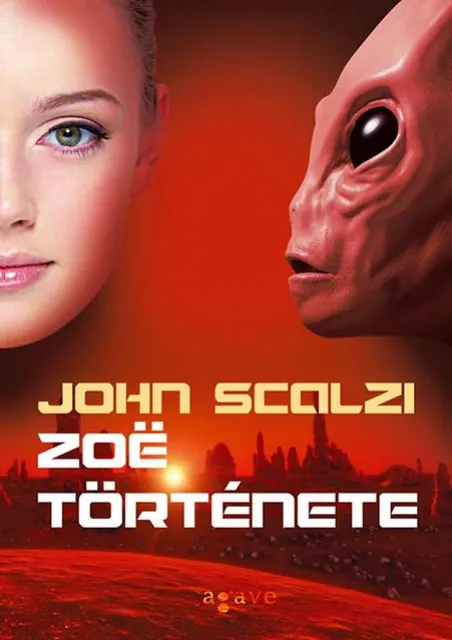
Zoe’s Tale is the end of an arc. And it is apparently Mr. Scalzi’s favorite. I heard him say this at a book signing, and he mentioned he’d said it before - so feel free to check - it made sense. He was writing about the kind of person his daughter might become at the time. ( If I remember right, apologies if I messed that up.) Regardless, I think a person may see it differently and I’d like to speak to what are possible objections to the book.
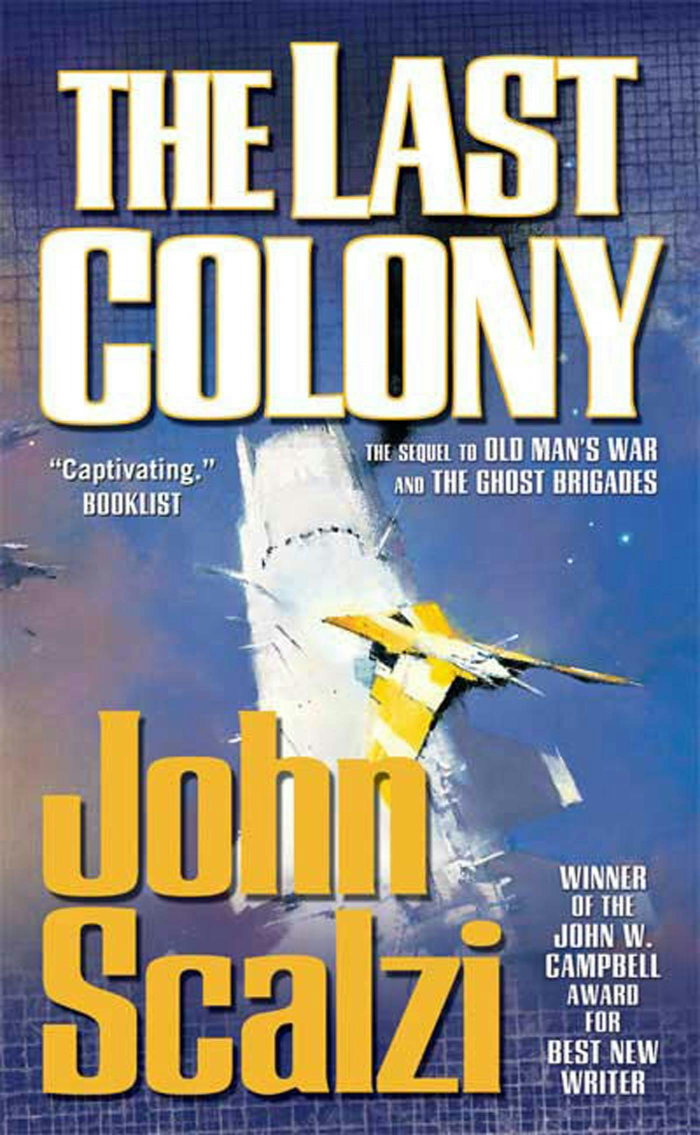
The Last Colony is of course, awesome. It’s also a considerable shift. Is this military sci-fi? I would say no. Old Man’s War and The Ghost Brigades are very much military sci-fi, but as we close the first arc of the Old Man’s war books, we shift to something different.
Szilard is back, which made me really happy. And so much I love about Scalzi is here. The humor, the relatable characters, the really creative story telling, and the emotional payoff. He knows how to start, develop and finish a story. Based on a lot of what I’ve read, not a lot of author’s can do all that well. I think it’s a huge part of why he’s been so successful. There are some author’s I love who can create amazing worlds and problems - but to be frank, they struggle to stick the landing.
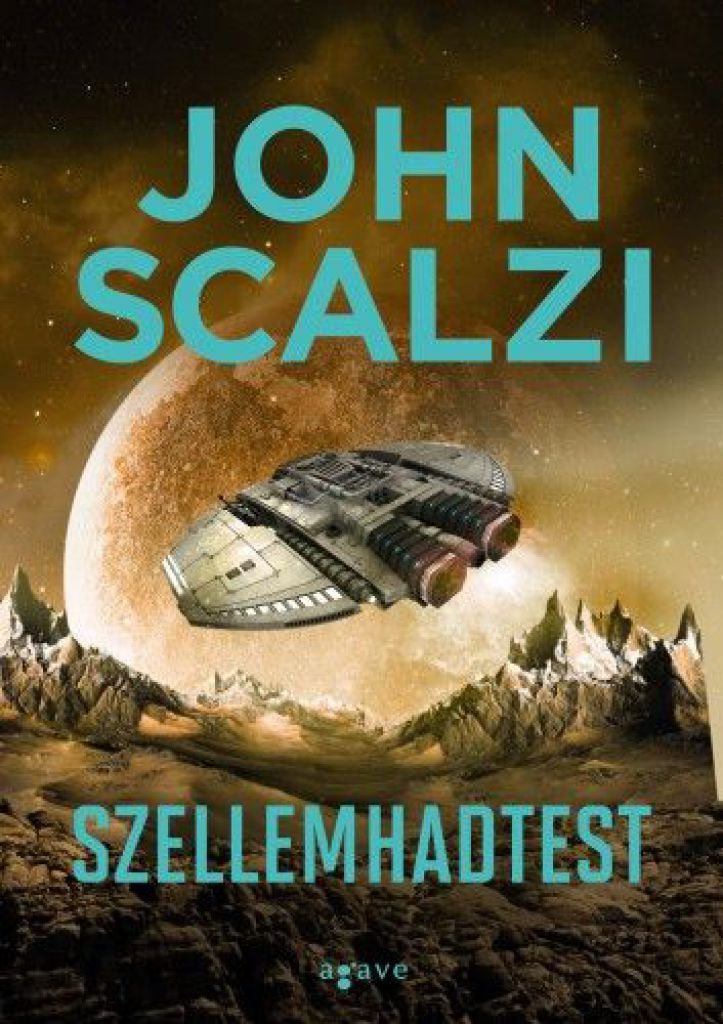
It’s been a long time since I last read these books. I remember the broad strokes but I had forgotten so many particulars. As I said in the Old Man’s War post, I’m really, really enjoying it.
Pretty much everything I said about the first book is true of this sophomore effort. Solid action, great story, hits you in the feels on the regular.
But here is the thing that really hit me hard with this one. I’ve got to give a little context.
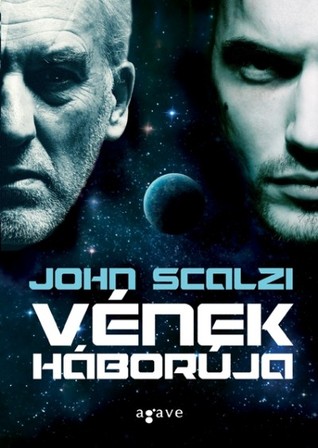
Many years ago I was writing book reviews pretty regularly and I became aware of author I had not heard of. He’d written some military sci-fi ( I’m interested ) that was said to be in the vein of Starship Troopers. ( I’m VERY interested )
I read it, I liked it. I started reading Whatever. I read Agent to the Stars ( It’s free - but so good! ) and here were are, he’s my favorite. So why am I talking about this old book now?
I came to the Bobiverse late in the series. I found the series recommended online (probably reddit - but not sure) and once I started reading the books I was hooked. Heaven’s River is the first book in the series to be published since I got into the series. So I’d been able to power through the first three books pretty quickly.
When this book came out I had some time between reading the first three and getting to this one. I was eager to get to another book in Taylor’s Bob universe. It did not disappoint.